

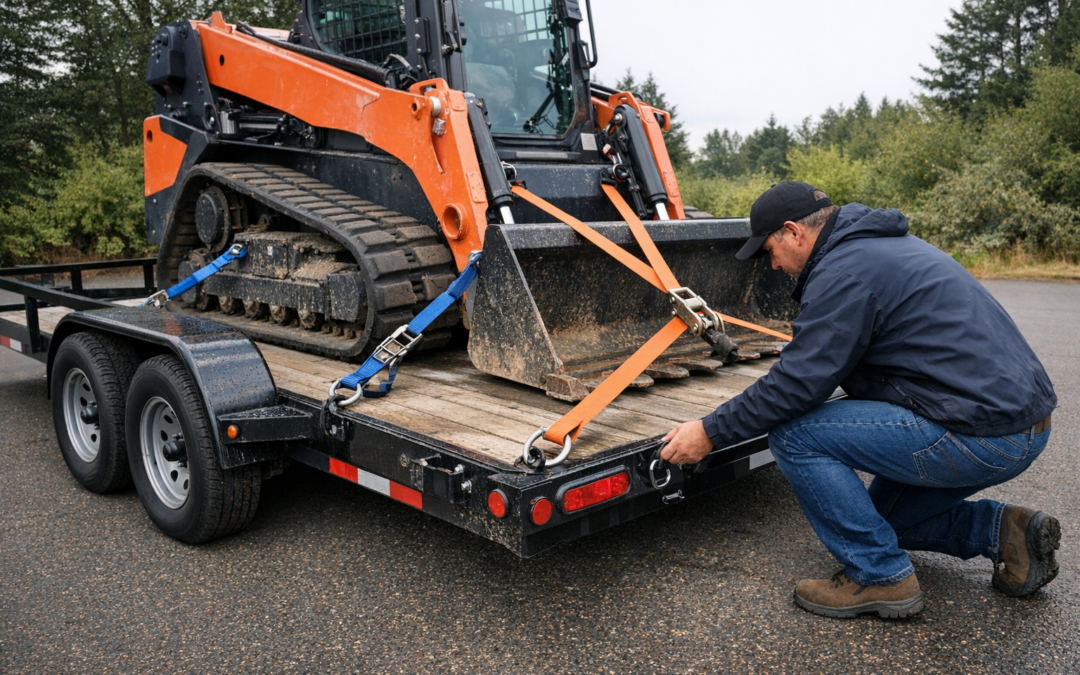
Enclosed vs. Open Trailers: Which Fits Your Cargo and Routine?
The right trailer depends on what you carry most often and how you load, store and use it. Enclosed trailers offer a roof, walls and added protection from weather and casual access. Open trailers usually make loading, unloading and visual checks easier. Neither style is automatically better for every Portland-area trailer owner.
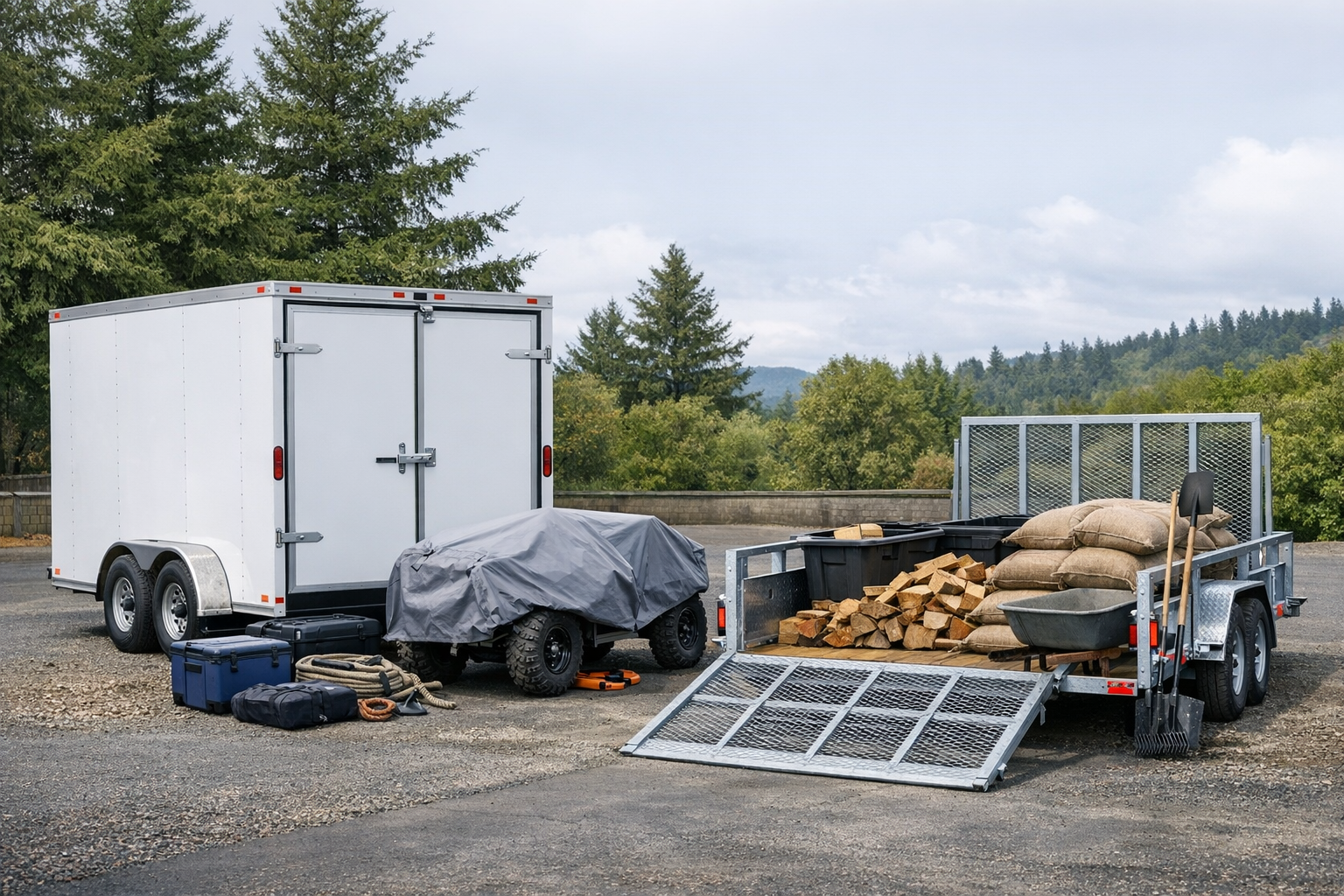
Start with your normal routine rather than an occasional hauling job. Consider the cargo’s size and weight, how quickly you need to reach it, where the trailer will be stored and whether exposure to rain or road spray is a concern. Then compare the tradeoffs below with the current specifications for the specific trailer you are considering.
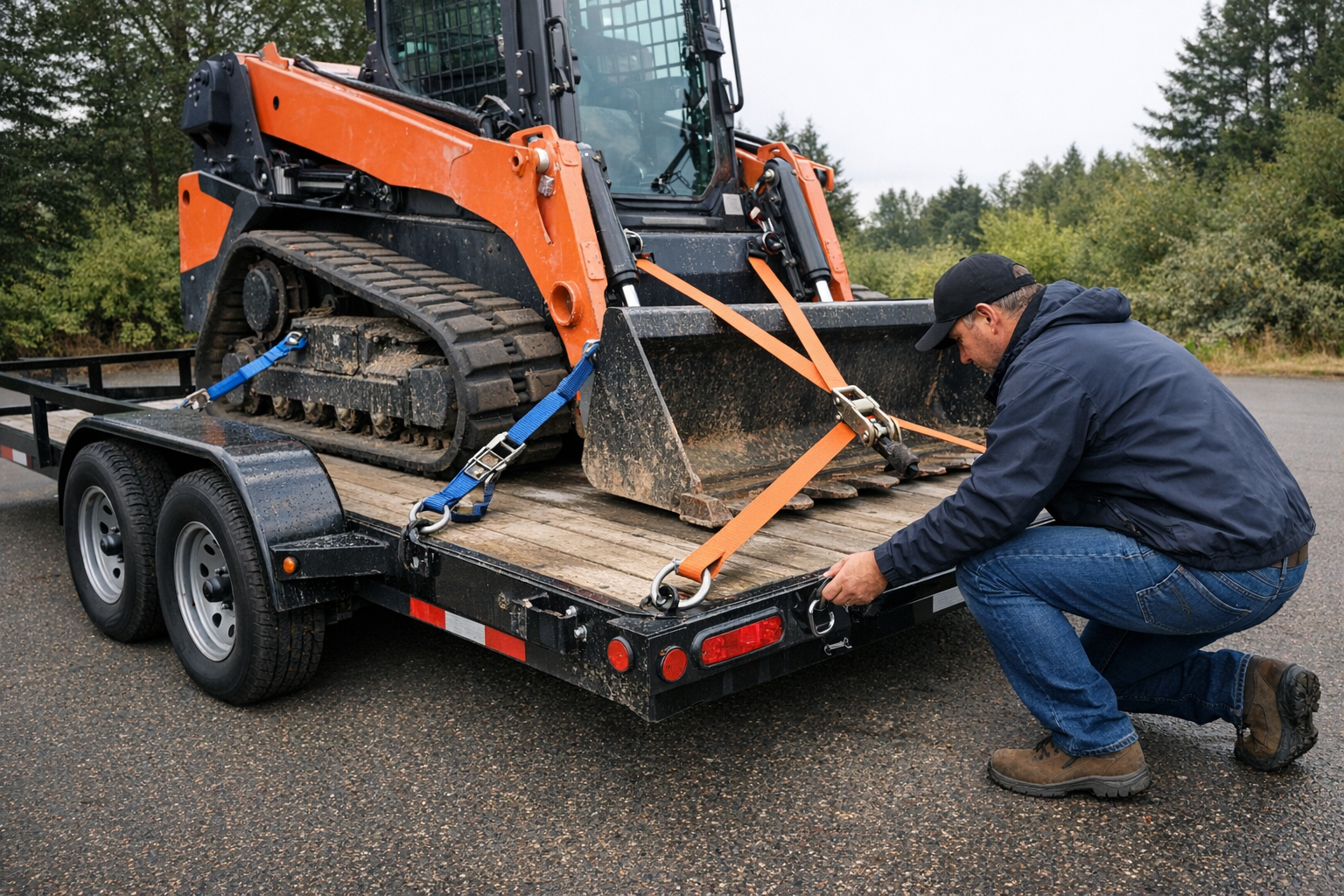
Match the Trailer to Your Cargo and Routine
A useful comparison begins with your most common load. Write down what you carry, how it is loaded, how often it moves and what condition it must be in when you arrive. A trailer used several times a week for landscaping materials may need different features than one used for motorcycles, tools or recreational equipment on occasional trips.
Also account for the tow vehicle, hitch setup, storage space and planned route. Verify the trailer’s current loaded capacity, dimensions and equipment against its manufacturer specifications. Do not assume two trailers with similar outside dimensions will have the same usable space or capacity.
When an enclosed trailer makes sense
An enclosed trailer can be a strong fit when cargo needs protection from rain, road spray, dust or changing weather. The walls and roof can also make it easier to keep tools, equipment and recreational gear organized. A lockable body may discourage casual access while the trailer is parked, although no trailer should be treated as theft-proof.
The interior can be outfitted with features such as lighting, cabinets, shelving, E-track or tie-down equipment. These additions may improve your routine, but they also occupy space and add weight. Check the actual capacity after considering the trailer, interior build-out and cargo together.
The tradeoff is a larger number of components to maintain. Roof seams, doors, hinges, seals, floors and interior moisture deserve attention along with the usual tires, wheels, bearings, brakes, axles and wiring. An enclosed body can also limit visibility and make some loading tasks less convenient.
When an open trailer is more practical
An open trailer often works well for bulky, dirty or tall cargo that does not need a roof. An open deck can make it easier to load with ramps or equipment, reach individual items and see the cargo during a quick pre-trip check. It may also be simpler to wash after hauling soil, yard debris or other messy materials.
Frequent users may value that straightforward access. Homeowners, landscapers and contractors can often load and unload without opening doors or walking inside the trailer. But visibility is not a substitute for a proper inspection. Ramps, gates, decks, tie-down points, couplers, lights, brakes, tires and exposed running gear still need regular attention.
The main compromises are weather exposure and security. Cargo faces rain, sun and road spray, while loose items may need containers or covers. A cover can help with some loads, but it may not provide the same protection as a full enclosure and adds another item to handle.
Use a simple decision test
Answer these questions based on a normal week: What do I carry most often? What is the total loaded weight? Does the cargo need protection from weather or casual access? Will I load by hand, with ramps, or with a vehicle or other equipment? Do I need side access or frequent unloading? Where will the trailer be stored, and can that space handle its height and length?
As a hypothetical example, a Portland-area landscaper who repeatedly loads a mower, hand tools and bagged materials may prefer an open trailer for quick access and easier cleanup. A hobbyist carrying a motorcycle, riding gear and spare parts on longer trips may prefer an enclosed trailer for organization and weather protection. These examples are only starting points; confirm actual weights, dimensions and ratings before choosing.
Dayspring Trailers offers enclosed cargo, utility, flatbed, dump and car hauler options. Its Find the Right Trailer for Your Needs guide is a useful next step when you want to compare broad trailer categories before discussing your actual cargo and routine with the team.
Plan for Service, Inspection and Long-Term Upkeep
The enclosed-versus-open decision also affects the kind of service conversation you will have later. An enclosed trailer may need attention to roof areas, doors, seals, floors and interior moisture in addition to its running gear. An open trailer may call for closer review of ramps, gates, decks, tie-down points and components exposed to road debris and weather.
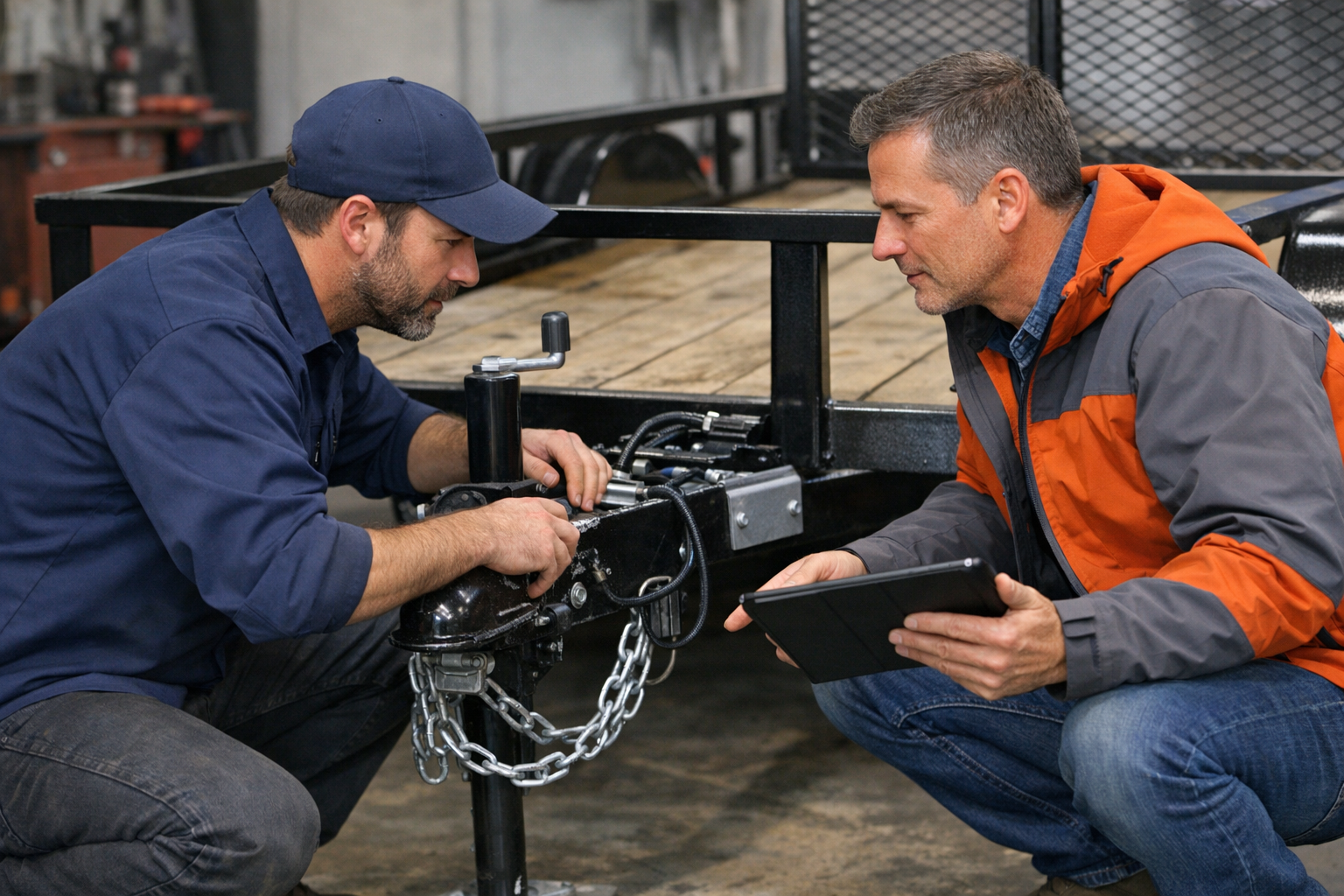
Dayspring’s Gresham service department lists safety inspections, wheel bearings, wiring, lighting, roof leaks, brakes, axles, tires, trailer damage repairs, hitches, tie-downs and cargo-control work. Before scheduling, describe the trailer type, its main components and the way you use it so the shop can explain whether its service is a fit.
Ask About Comparable Trailer Experience
Ask whether the team regularly works on trailers similar to yours, including the body style, axle setup, brake system and the problem you are experiencing. For an enclosed trailer, mention leaks, doors, seals or interior changes. For an open trailer, mention ramps, gates, deck damage, tie-down points or exposed wiring.
Keep different kinds of qualifications separate. Practical experience means working on similar trailers and components. Technician certification is an individual credential earned through a defined testing or training process. Manufacturer training comes from a trailer or component maker and may matter for brand-specific systems or warranty procedures. Association membership shows that a business belongs to an industry organization, but it does not prove that every technician is certified or manufacturer-trained.
Ask which experience or training applies to your repair rather than assuming a credential covers every trailer system. Do not assume Dayspring or another shop holds NATDA membership, Dexter certification or another credential unless the business confirms it directly.
Request a Focused Inspection and Written Estimate
Ask what the inspection will cover and how the scope relates to your concern. Depending on the problem, that could include tires, wheels, bearings, brakes, lights, wiring, coupler, safety chains, axles, ramps, doors, roof areas or tie-down points. A focused inspection is different from a claim that every trailer system has been fully evaluated.
Before approving repairs, request a written estimate that separates findings, recommended work, parts and labor. Ask which items affect safe operation, which are preventive and which can wait. Also ask what happens if the technician finds additional damage after disassembly. The shop should explain when it will pause and request approval for work beyond the original scope.
For the broader process of comparing training, inspections, estimates and communication, read Dayspring’s guide on how to choose a trailer service shop in Gresham. Use that guidance alongside the trailer-specific questions here rather than relying only on a starting price.
Clarify parts, communication and warranty questions
Ask whether the recommended parts are original factory parts, approved replacements or aftermarket options, and why the selection fits your trailer. Dayspring’s service information says its department uses quality original factory parts and offers factory-authorized service. Its parts department lists electrical components, brakes, axles, tires, lighting, tie-downs and cargo-control products. Confirm the exact part and availability before approving the repair.
For warranty work, ask whether the trailer or component manufacturer must approve the repair and what records are required. Coverage can vary by brand, component and situation, so request a specific explanation instead of relying on a general promise. You can also ask whether special-order or shipping charges could change the estimate.
Agree on communication before work begins. Ask when you will receive inspection findings, how you will approve added work and how the shop will update you if parts availability or timing changes. When discussing service with Dayspring Trailers in Gresham, bring the trailer’s make, model and approximate age, along with photos and a description of how you use it.
Once you have matched the trailer style to your cargo and routine, contact Dayspring about the trailer and service needs you are weighing. A conversation based on your actual load, storage situation and maintenance concerns can help identify the next practical step.
Enclosed and Open Trailer Selection FAQ
Is an enclosed trailer always better for Portland-area weather?
No. An enclosed trailer offers more protection from rain and road spray, but it adds body components, weight and maintenance considerations. An open trailer may be more practical for bulky or frequently accessed cargo. Base the choice on your normal exposure, loading routine and storage space.
What cargo is usually a better fit for an open trailer?
Open trailers can suit bulky, dirty or tall loads that do not need a roof, especially when you need quick access or regular loading with ramps. Confirm that the cargo can tolerate exposure and that it can be secured safely for the trip.
What should I check before choosing an enclosed trailer?
Consider the cargo’s loaded weight and dimensions, the interior space needed for people or equipment, the trailer’s height and length, available storage and the tow vehicle’s capacity. Also account for the added weight and maintenance of doors, seals, roof areas and interior equipment.
Does association membership prove a technician is certified?
No. Association membership describes a business relationship with an industry organization. Technician certification is an individual credential, manufacturer training relates to a particular brand or component, and practical experience comes from working on similar equipment. Ask which qualification applies to your specific repair.
What should I ask a service shop about an enclosed or open trailer?
Ask whether the team works on your trailer type and components, what the inspection includes, which parts it recommends, whether you will receive a written estimate and how additional work must be approved. Also ask how warranty questions and updates will be handled.